
Investing foundations
Deciding whether money is available to invest
A bank balance can include money already committed to bills, reserves and near-term plans. Separate those jobs before considering investment risk.
Understand ownership, risk and the mechanics behind an investment.
30 articlesA bank balance can include money already committed to bills, reserves and near-term plans. Separate those jobs before considering investment risk.

A goal has more than a target date. The first withdrawal, flexibility and consequences of a shortfall all shape its investment horizon.

Feeling comfortable with market movements and being able to absorb a financial loss are related questions, but they are not interchangeable.

A share is an ownership interest with rights and risks. It is not a promise that the company will return your purchase price.

A bond yield is a summary of assumptions. The issuer, payment terms, purchase price and repayment conditions explain what stands behind the number.

A fund combines investors’ money into a portfolio. Understanding the units you own and the assets behind them helps separate the fund from its marketing label.

Exchange trading describes how a fund is bought and sold. Its holdings and strategy determine much of the risk an investor is taking.

An index fund follows a defined market measure. The index’s selection and weighting rules are part of the investment, not background detail.

Diversification is about different underlying exposures. Several account names or fund labels may still leave much of the money tied to the same source of risk.

A look-through calculation can reveal exposure to the same company in several funds. Keep the valuation dates and the limits of the data beside the result.

An allocation describes how money is divided among exposures. Learning the arithmetic is useful without treating an example as a portfolio recommendation.

Rebalancing changes the proportions of existing investments. It is a decision about an agreed allocation, with costs and practical limits to check.

Regular contributions impose a schedule on investing. Their arithmetic differs from predicting which day will offer the lowest price.

A fixed dealing charge takes a different proportion of a small purchase than a large one. Work through the actual order pattern before comparing providers.

Buying less than one share can make precise cash amounts investable. Provider rules still determine how the fraction is traded, held and transferred.

A price chart leaves out cash paid to investors. Total return brings income and value changes into the same calculation.

A dividend is cash distributed to shareholders. Its arrival should be considered alongside the investment’s changing value and the terms of the payment.

Income and accumulation share classes handle fund distributions differently. Compare the same underlying strategy before attributing differences to performance.
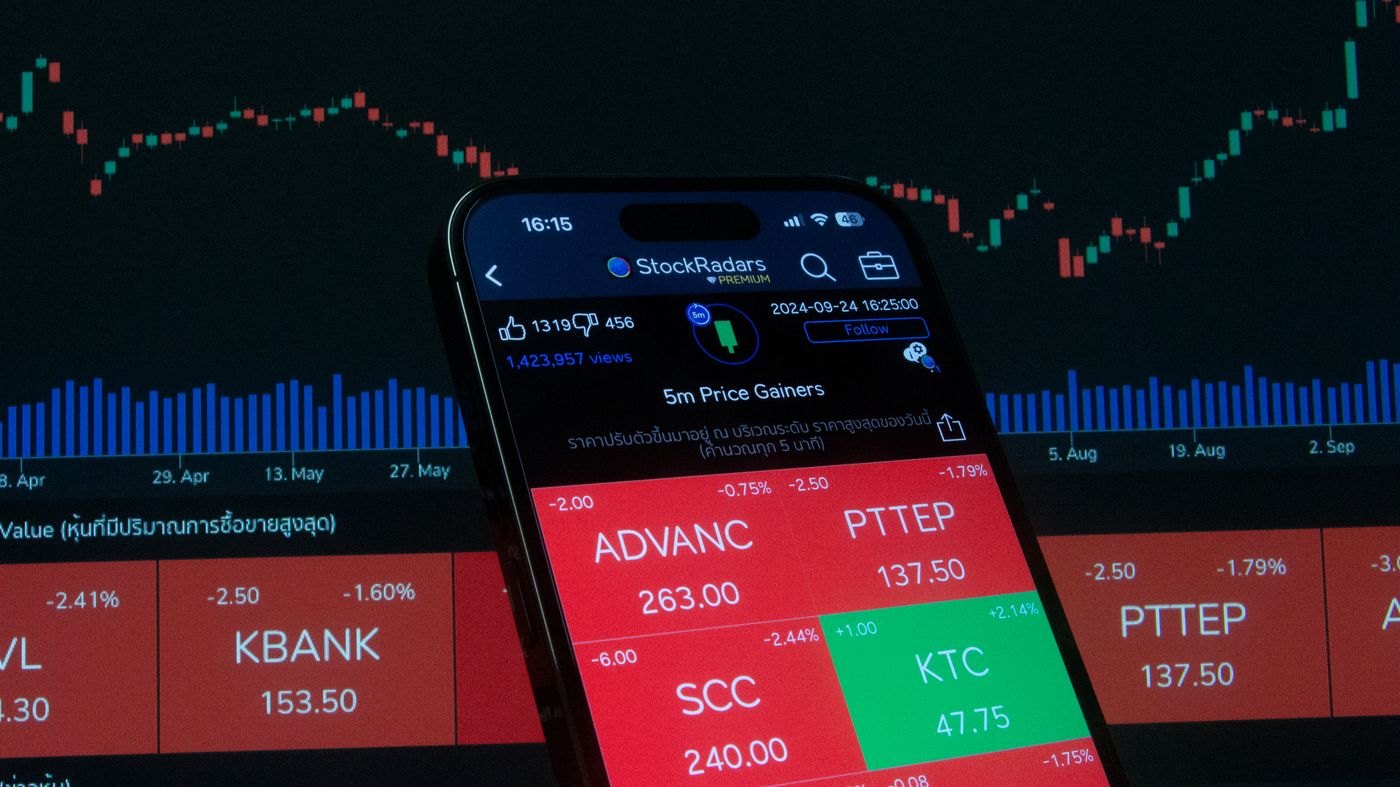
A higher account valuation is not the same as cash ready to withdraw. Separate the market value, the sale and the movement of proceeds.

Liquidity concerns whether an asset can be turned into cash when needed and on what terms. A valuation shown on screen may not be an available sale price.

An overseas investment can change in both its local value and its value in your spending currency. The two movements combine rather than simply adding.

A historical result describes one set of prices, dates and conditions. It cannot establish what the next investor will earn.
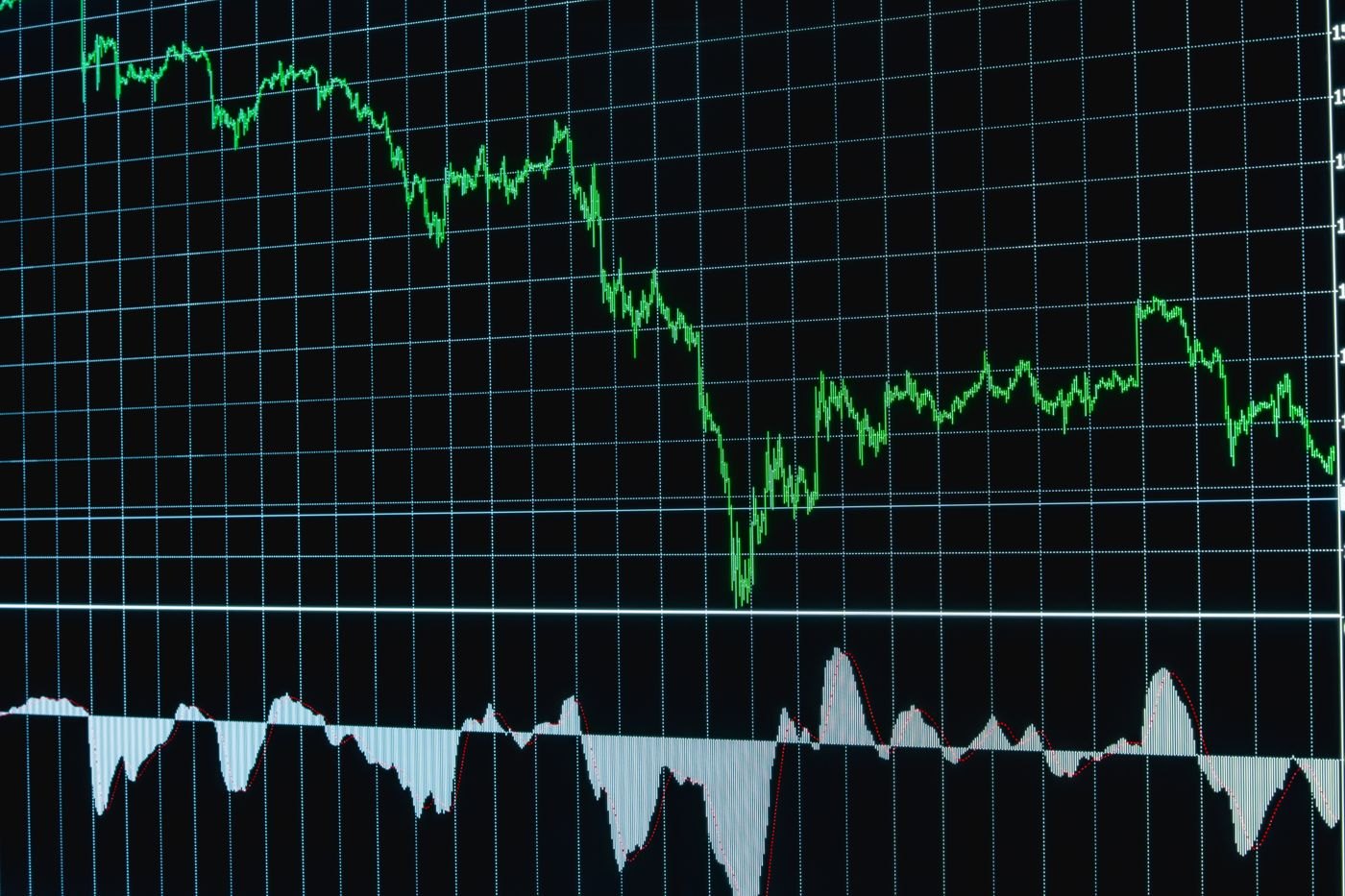
Price variability and the possibility of an unrecoverable loss describe different problems. Neither can be understood from a single smooth-looking chart.

A benchmark supplies a comparison, but its coverage, currency and return definition determine what the comparison can show.

Familiarity with a company can obscure how much of a portfolio depends on it. Measure the combined exposure before judging its significance.

Employer shares can connect employment income and investment value to the same business. The first step is to distinguish what is owned, vested and actually available.

Market and limit orders express different priorities. Neither instruction removes price uncertainty, execution uncertainty or the need to check the result.

The trade date, settlement date and withdrawal date can be different. A sale should not be treated as an immediate bank transfer.

A decision journal preserves what was known at the time. Its value comes from separating the original reasoning from the story told after prices move.

A personal investment policy note describes purpose, limits and review triggers. It can remain useful without pretending to be a complete financial plan.