
Spending & borrowing
Auditing subscriptions before the next renewal
A subscription review works best before the renewal date, while there is still time to decide what you want to keep.
Compare the whole cost and keep future commitments visible.
22 articlesA subscription review works best before the renewal date, while there is still time to decide what you want to keep.

A bigger pack can have a lower unit price and still cost more than you need to spend. Compare both the arithmetic and the amount you will use.
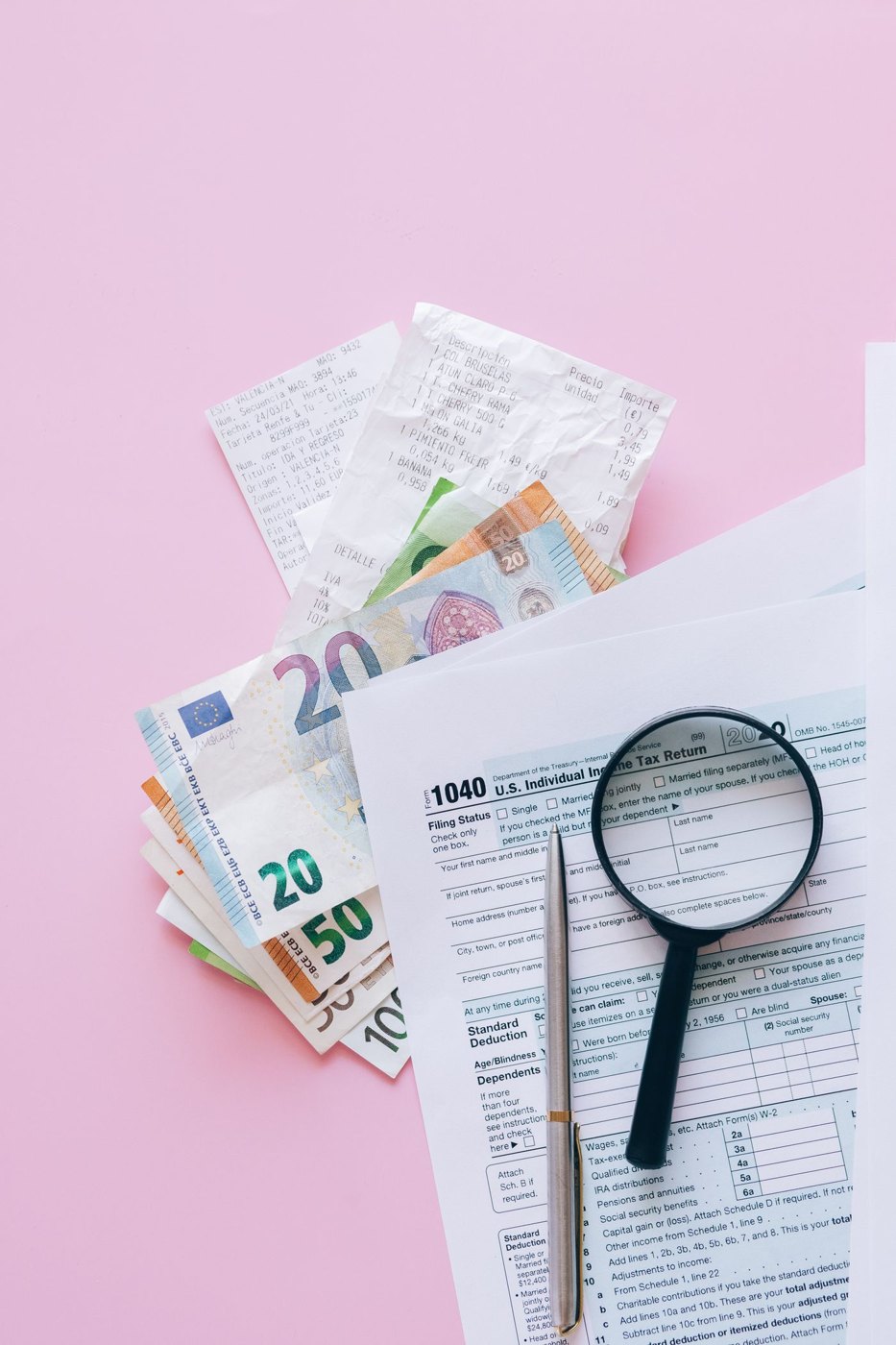
A large purchase often includes several costs and more than one payment date. Give the full purchase a plan before treating a monthly saving as sufficient.

A manageable-looking instalment does not describe the whole purchase. Add the payments, fees and timing before comparing the plan with paying upfront.

APR is useful comparison information, but it does not answer every question about a borrowing arrangement. Read it alongside the cash flows and conditions.
A repayment schedule shows how payments are allocated over time. Follow one row carefully before relying on the final balance.
Before comparing repayment methods, make the obligations visible. A debt list is an information tool; it does not decide which payment has the most serious consequences.

The snowball and avalanche methods direct extra payments differently. A small example shows the trade-off without pretending to be a personalised repayment plan.
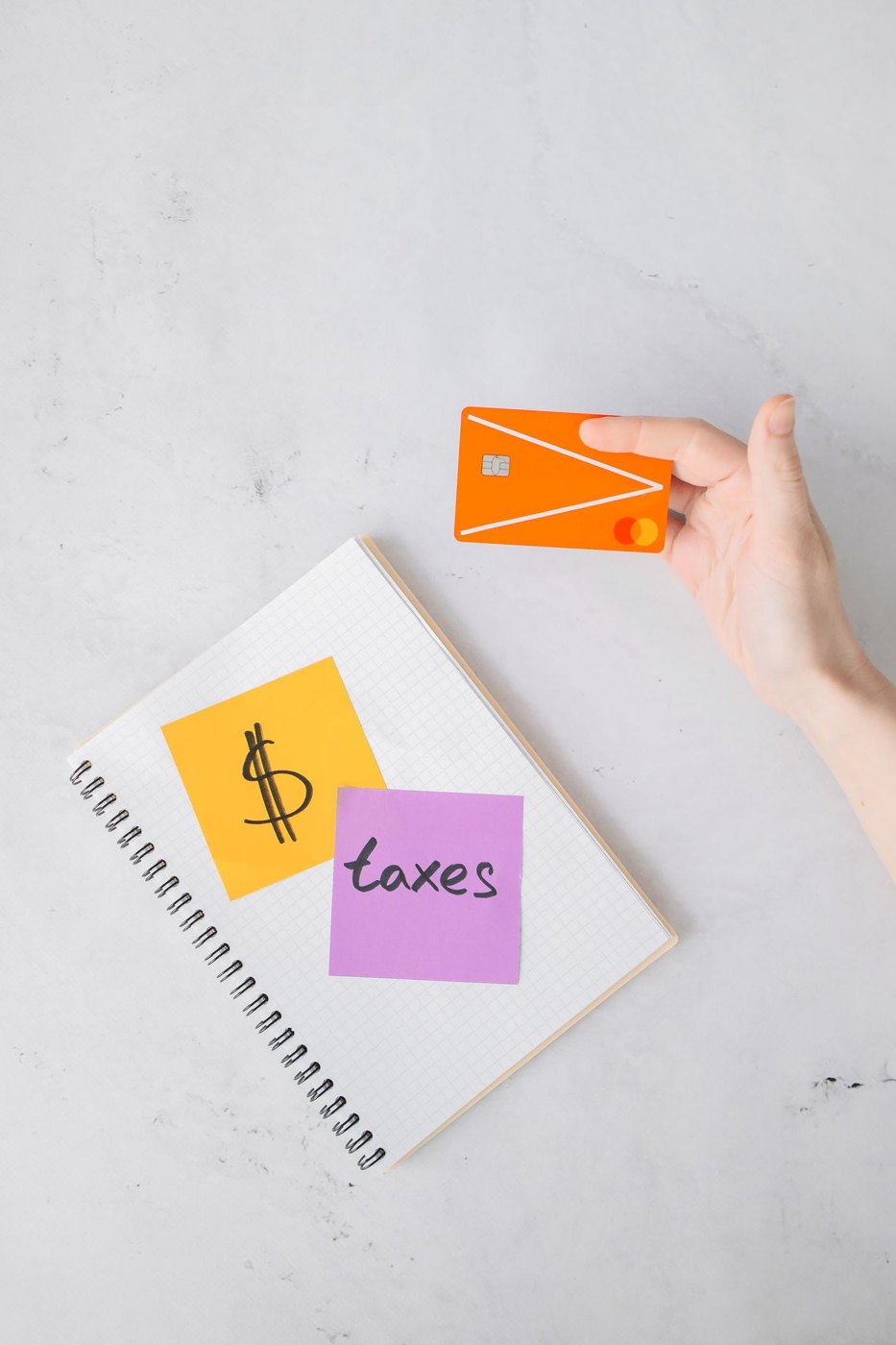
A minimum payment is a required floor under an account agreement, not a promise of quick repayment. Look at how much of a payment actually reduces the balance.

Several small instalments can overlap before they feel like one large commitment. Keep the remaining payments visible alongside ordinary bills.
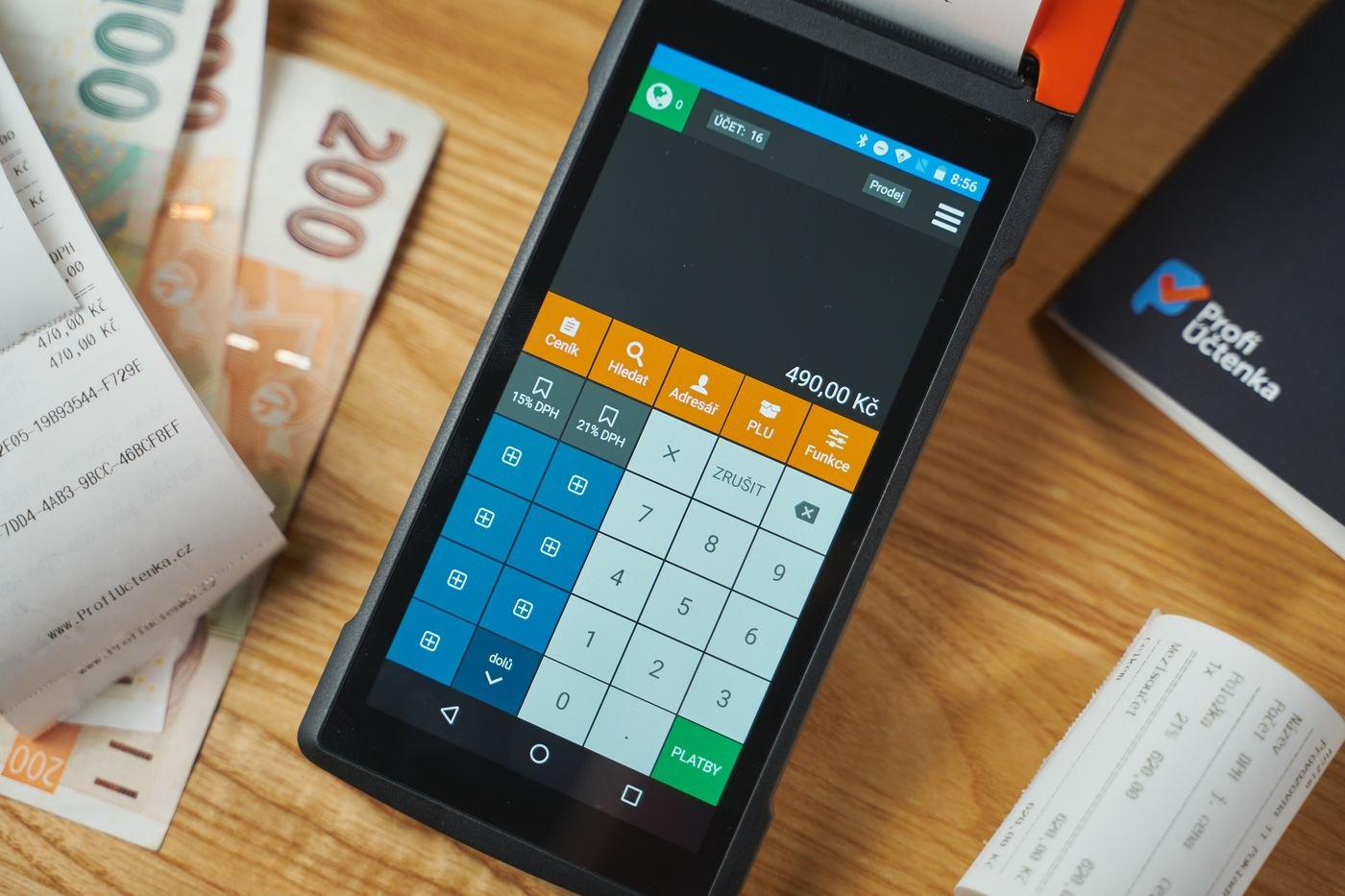
A refund usually reverses an earlier purchase. Treating it as a windfall can leave a replacement purchase or an unpaid balance out of the picture.

Used equipment can reduce an upfront price, but the comparison should end with a usable item, not just a successful purchase.

A repair quote and a replacement price describe different starting points. Compare the usable outcomes, the uncertainty and the time without the item.

A no-spend week can reveal habits, provided its rules are clear. It should not mean delaying necessary spending or moving every purchase into the following week.

A multi-buy offer is a quantity decision as well as a price comparison. The relevant saving depends on what you would otherwise buy and actually use.
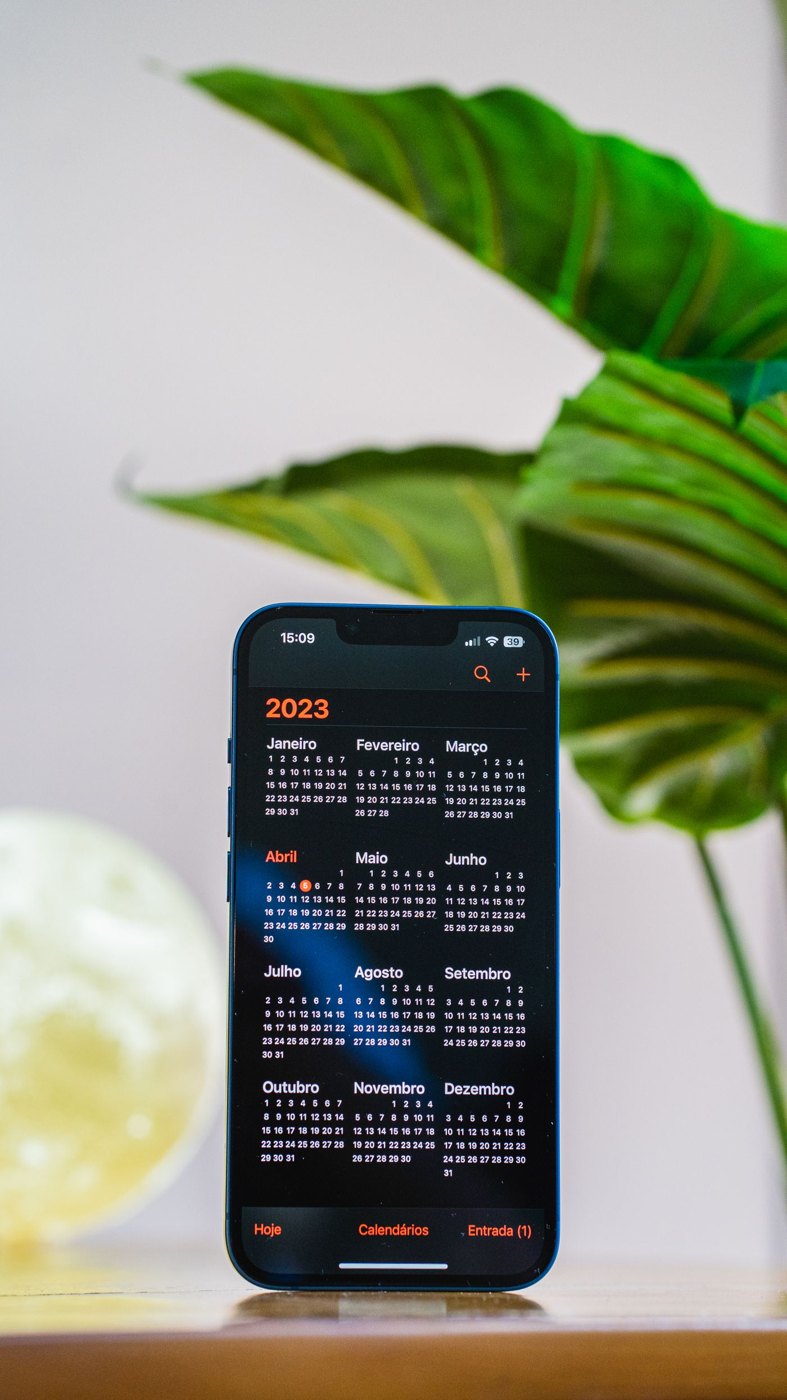
An annual subscription can reduce the listed price while increasing the amount committed upfront. Compare the expected period of use and the actual cancellation terms.
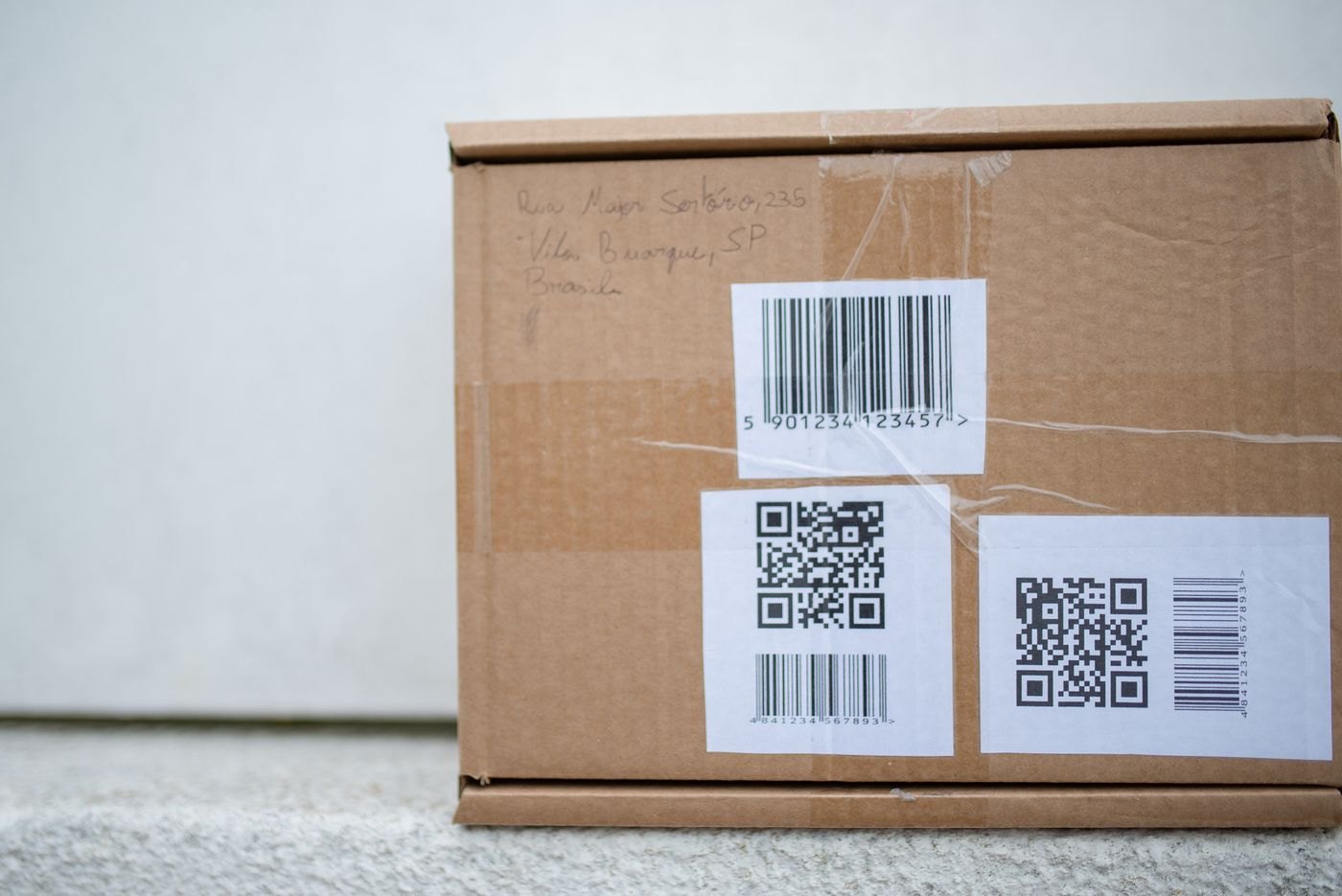
Delivery and return costs can change which purchase is cheaper. Include the route into your home and the possible route back before comparing totals.

A waiting list creates space between wanting an item and paying for it. Its value comes from recording the reason for the purchase, not just imposing a delay.

Keep the cancellation record until the billing outcome matches it. A confirmation and a stopped recurring charge are related, but they are not the same evidence.
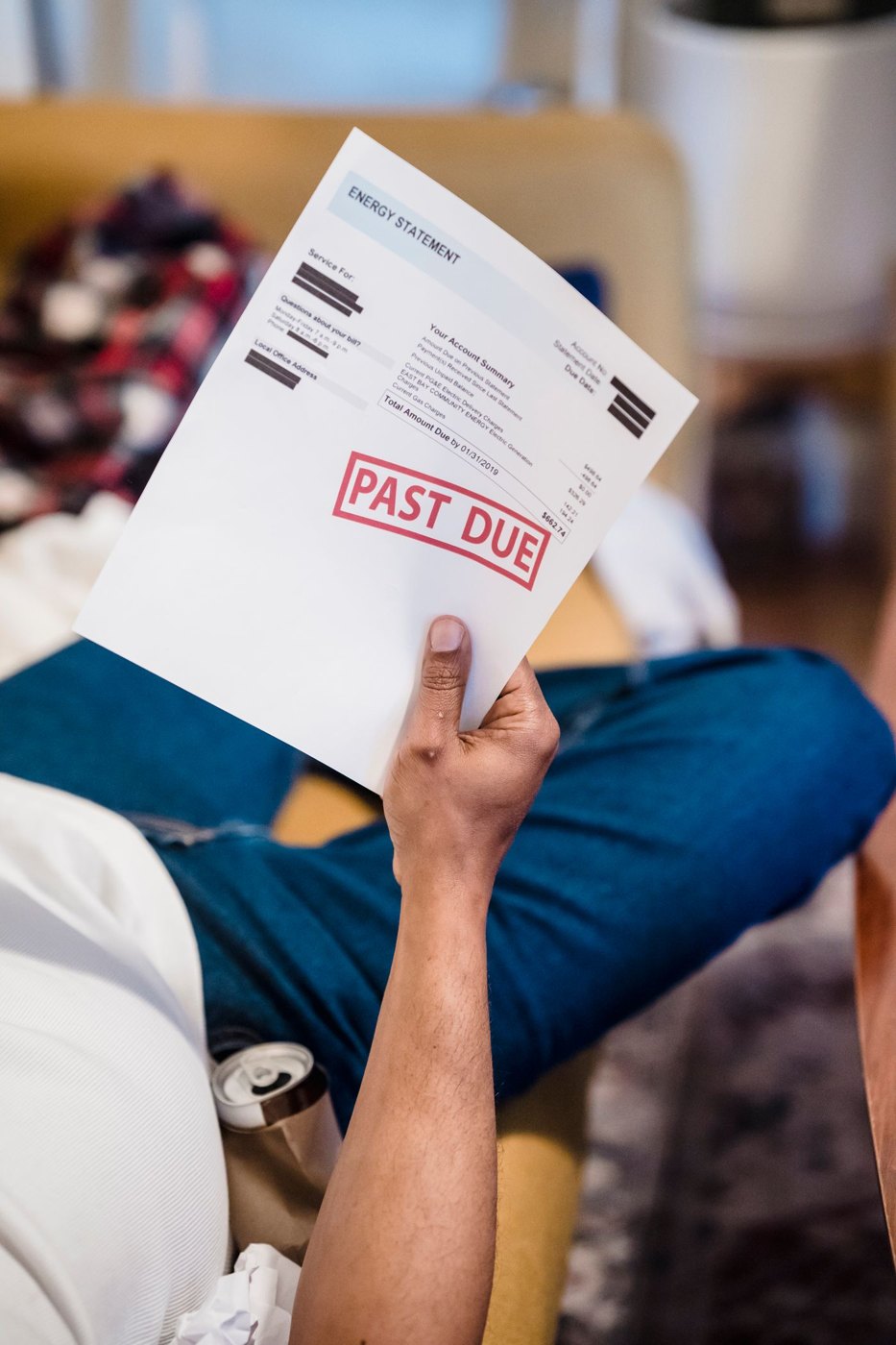
If a payment is becoming difficult, a prepared conversation can make the facts clearer. The provider still has to confirm any change to the agreement.

A mobile plan should be compared with the way the phone is used, including occasional busy months. A single low-usage month can give a misleading starting point.

Cost per use can expose an unrealistic purchase story. It becomes less useful when the number of future uses is treated as a fact.