
Everyday budgeting
A cash-flow calendar for an uneven month
A monthly total can look comfortable while the balance runs short halfway through. Put dates beside the numbers to see the difference.
Give dates, amounts and changing circumstances a place in the same plan.
28 articlesA monthly total can look comfortable while the balance runs short halfway through. Put dates beside the numbers to see the difference.
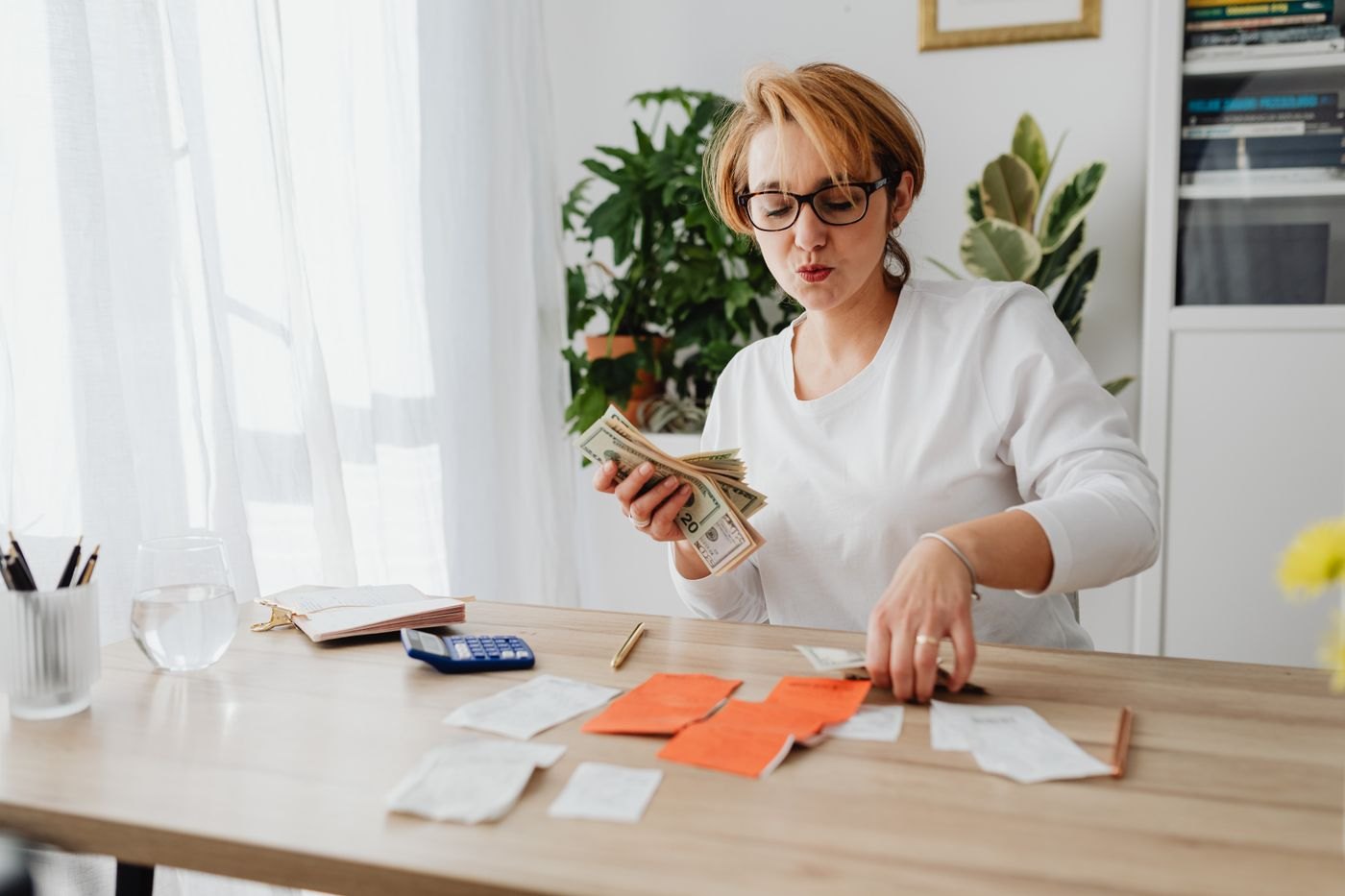
Turn a statement into a useful spending plan by cleaning the entries before setting targets.
Separate a cautious spending plan from an optimistic income forecast when pay varies.
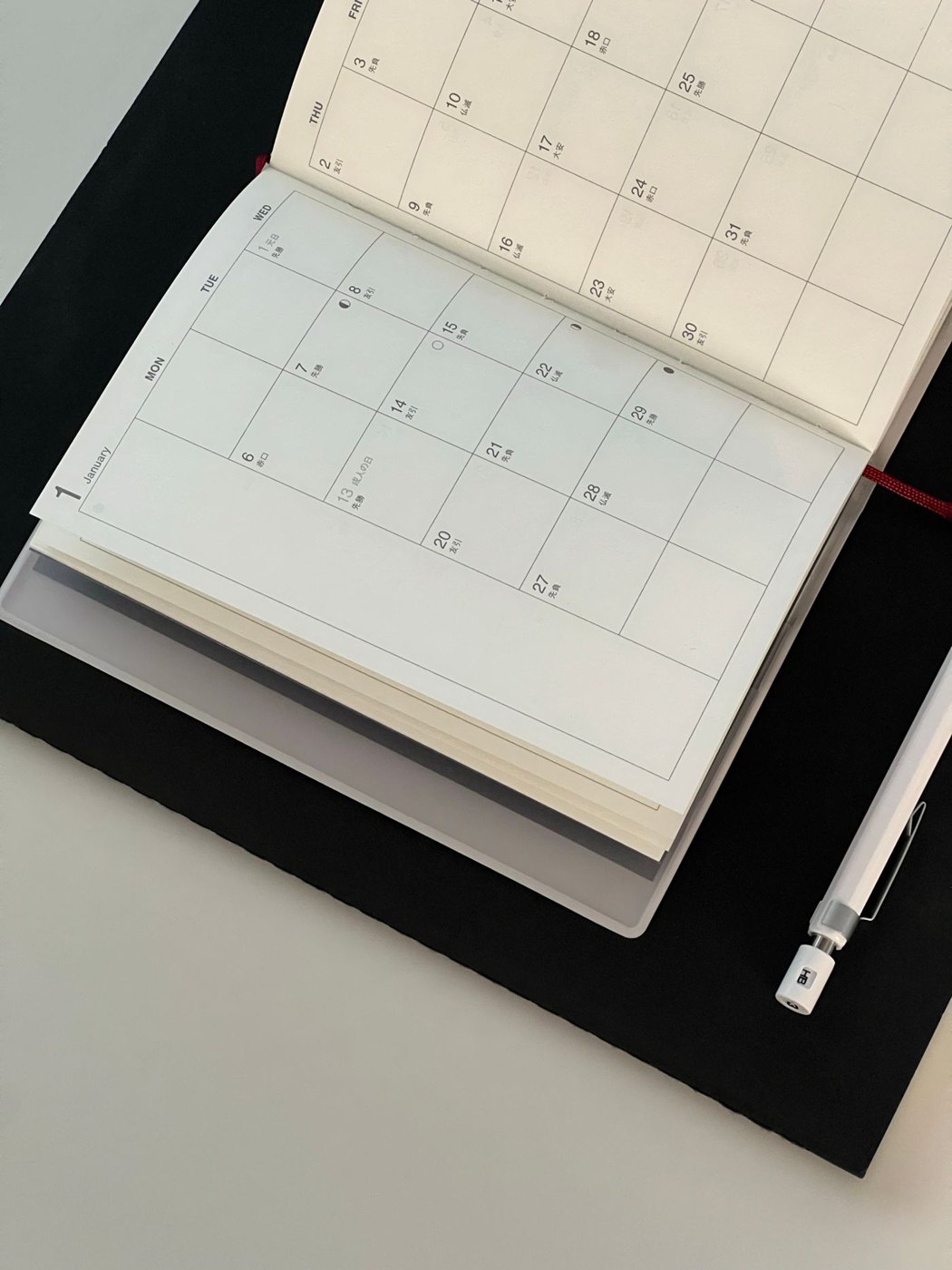
Assign each bill to money available before its due date, rather than dividing every cost in half.
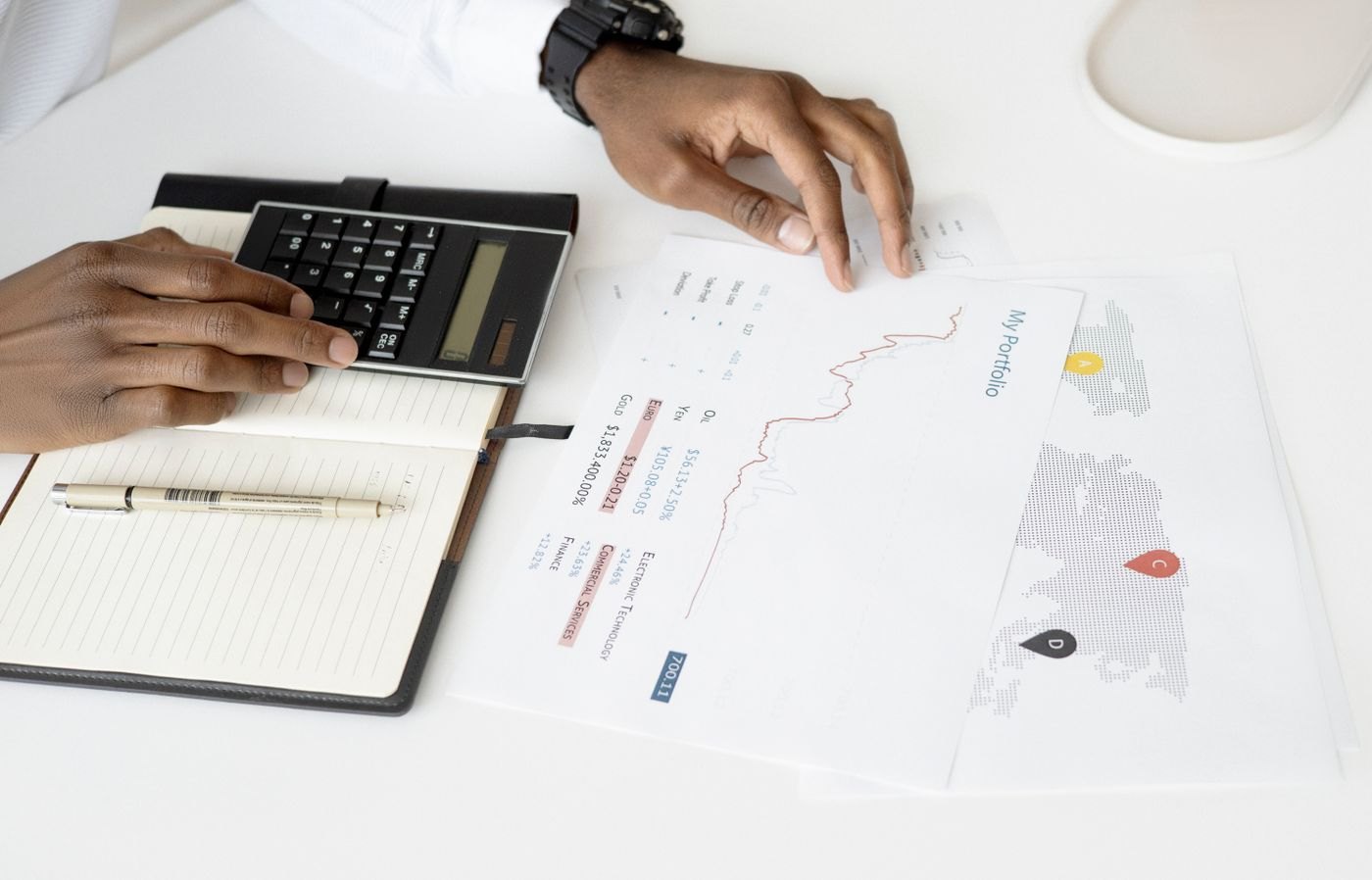
An annual bill needs both a monthly allowance and a plan for the first due date.
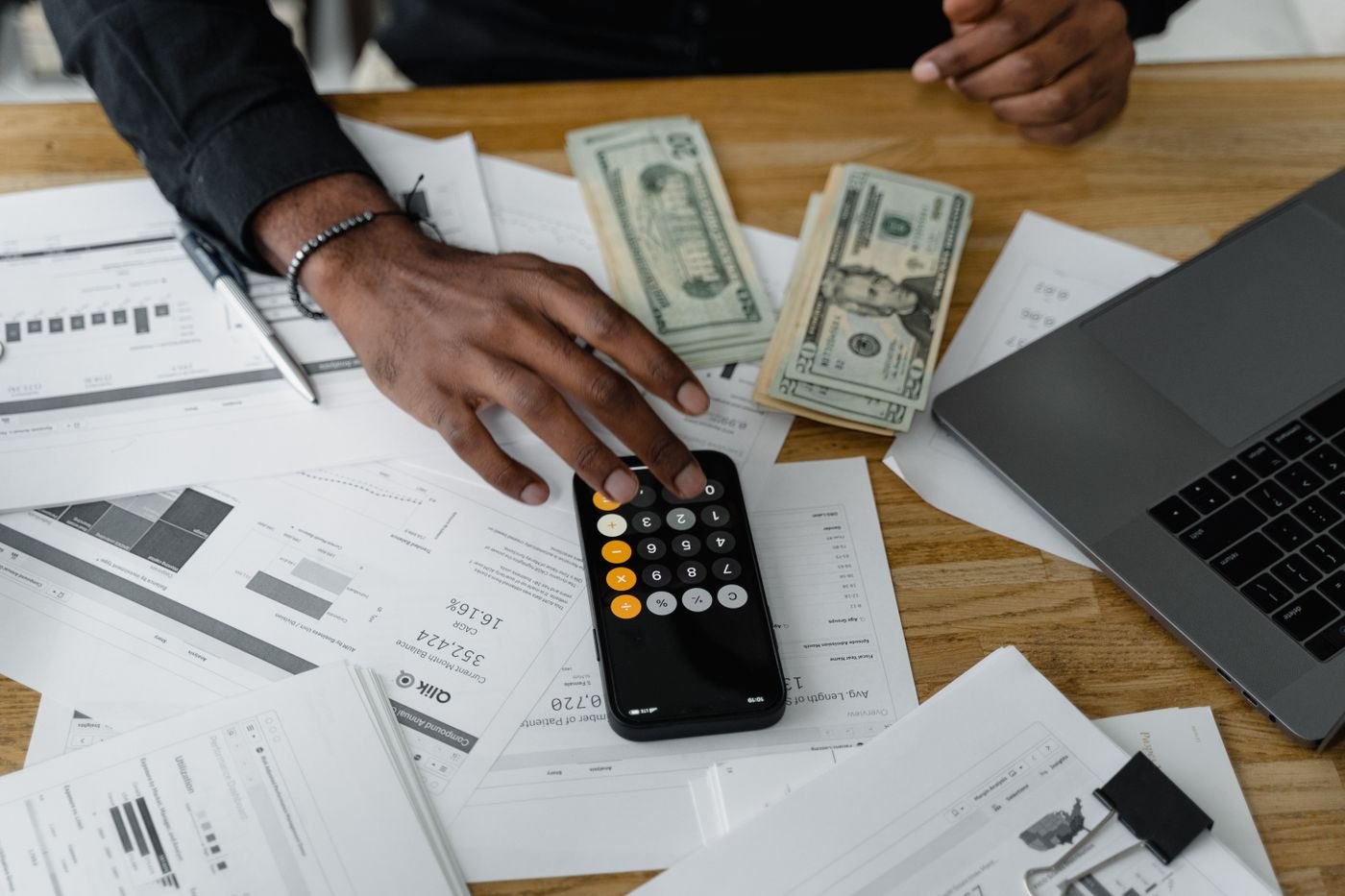
A transfer changes where money sits. A purchase changes what it has paid for.

Use shopping patterns, household needs and waste to set a grocery allowance that can change.

Agree what is shared, how contributions are calculated and how the payments will be checked.
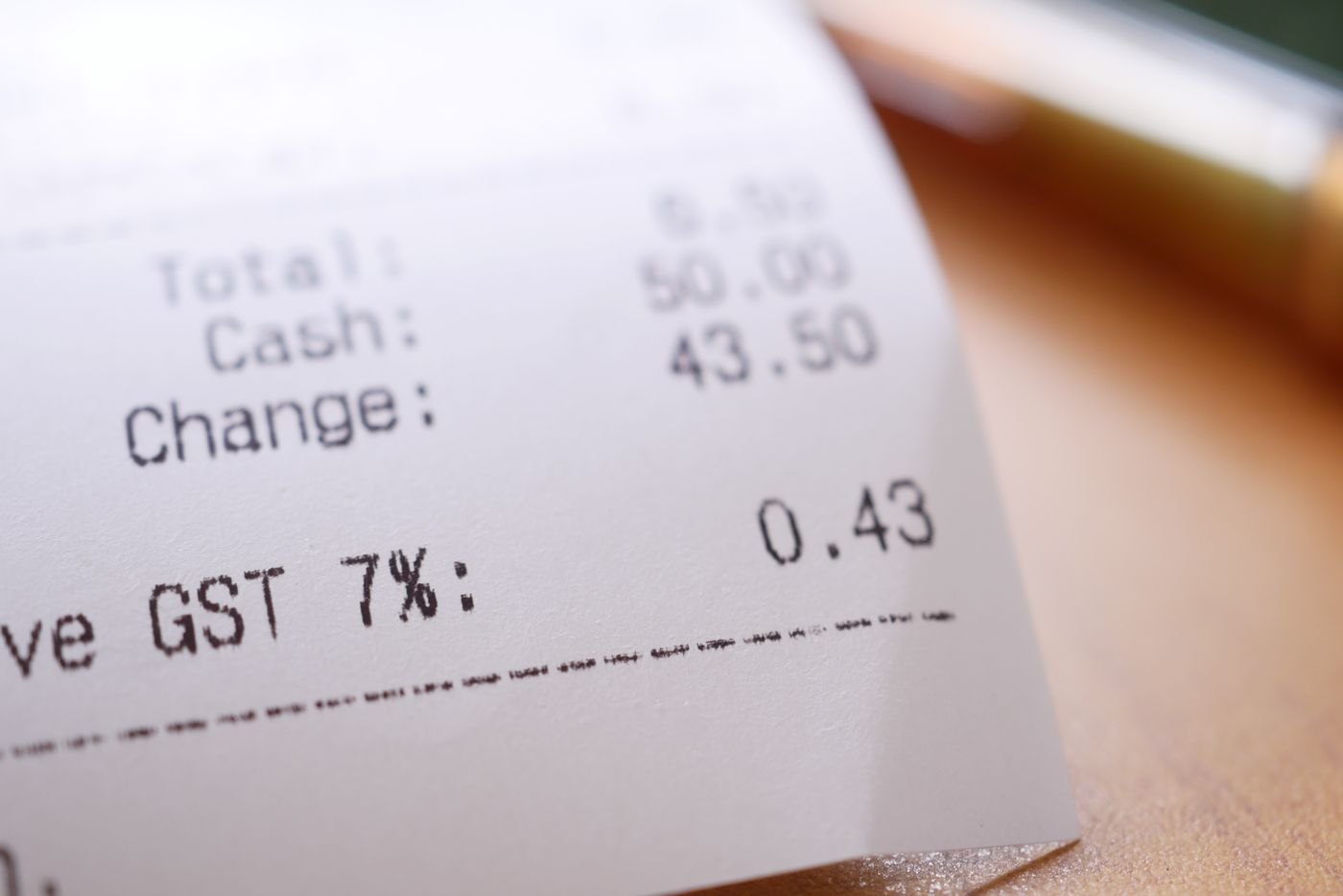
Treat your wallet as a small account so withdrawals and purchases do not disappear into one number.
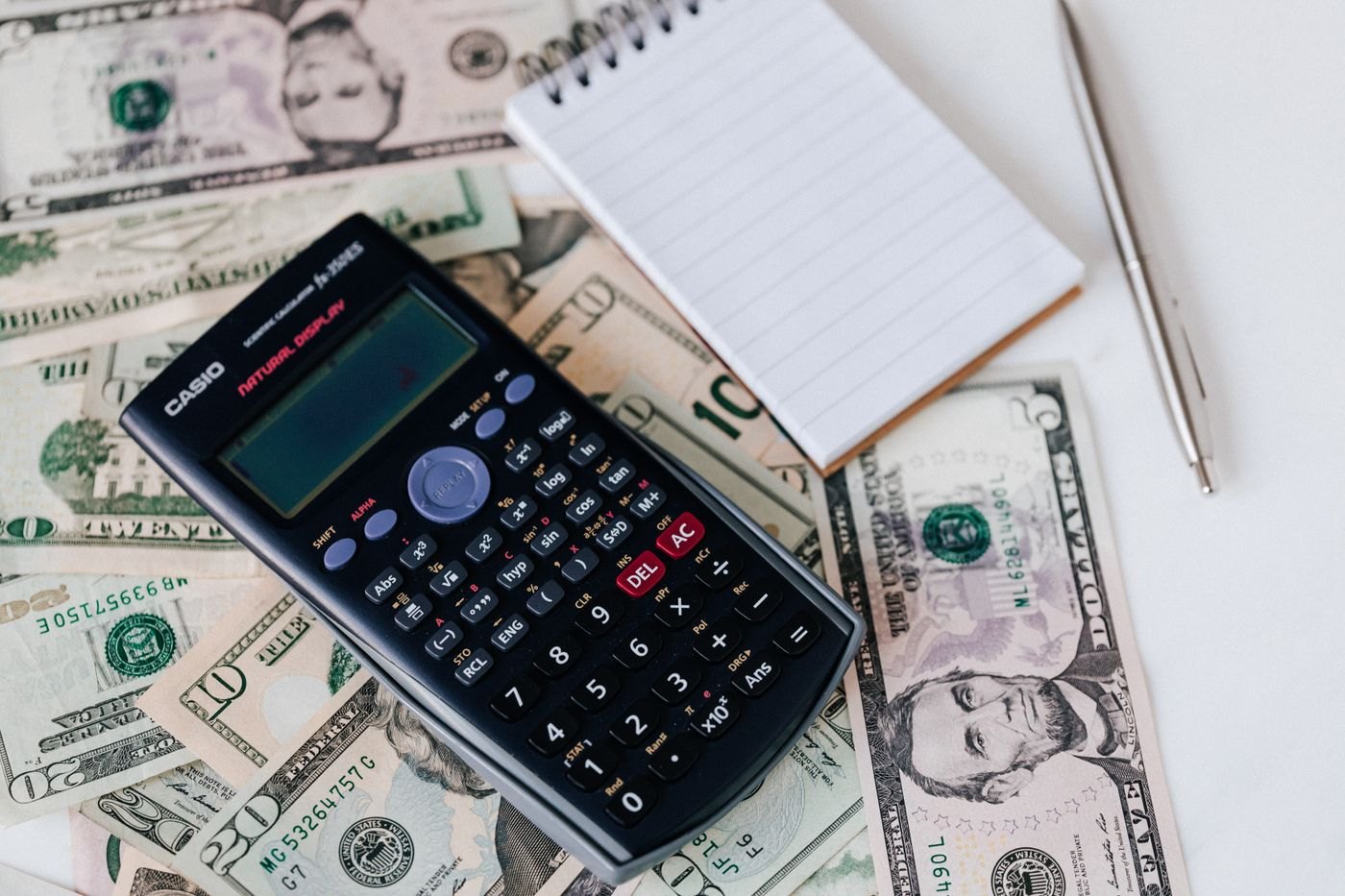
Group modest costs that occur unpredictably without turning the category into a hiding place.
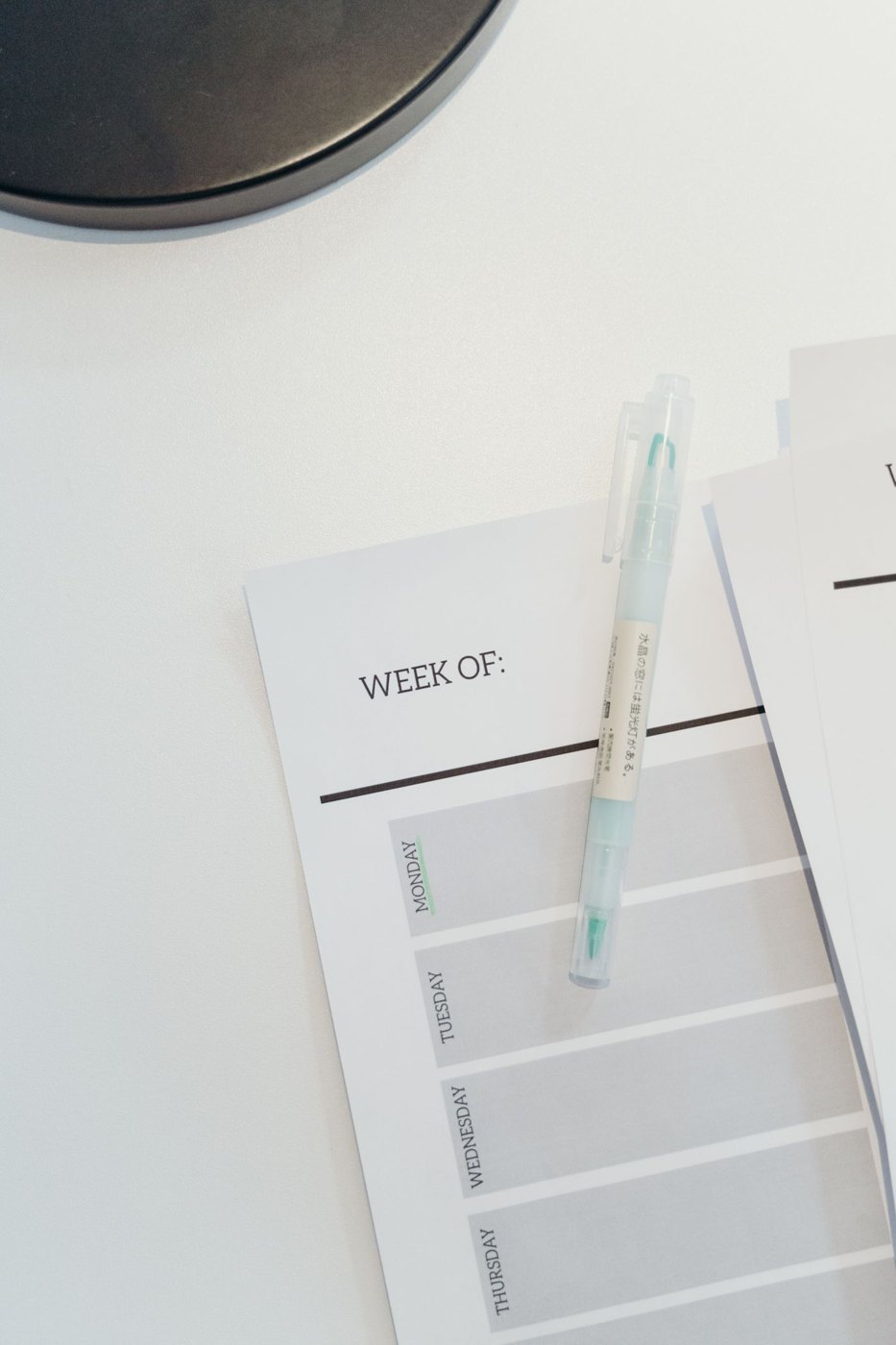
Weekly pay needs an annual perspective and a calendar-level check.

An extra shopping day can make a month expensive without changing your weekly habits.

A move changes timing, one-off costs and the shape of ordinary bills.

Distinguish a temporary cash gap from a lasting change in what the household can afford.

Identify the costs that keep daily life functioning without pretending every reduction is possible immediately.
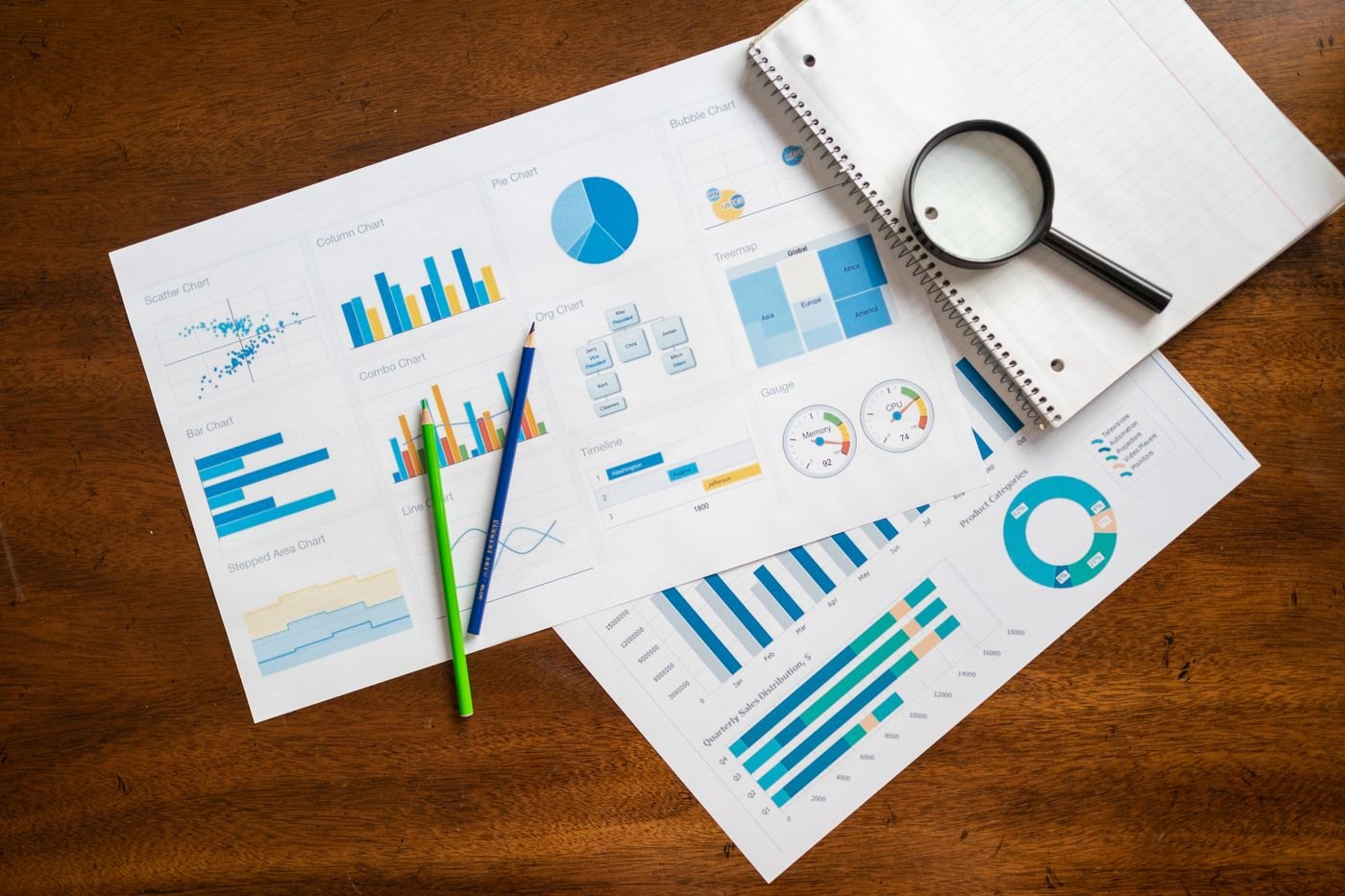
A useful category helps explain a decision; extra detail is worthwhile only when you use it.

Keep the envelope limit and the spending record connected, whether the envelopes are physical or digital.

Explain the difference before deciding what to change next month.

A reimbursable purchase still needs cash before the reimbursement arrives.
A short payday routine can connect the cleared payment with the bills and choices ahead.
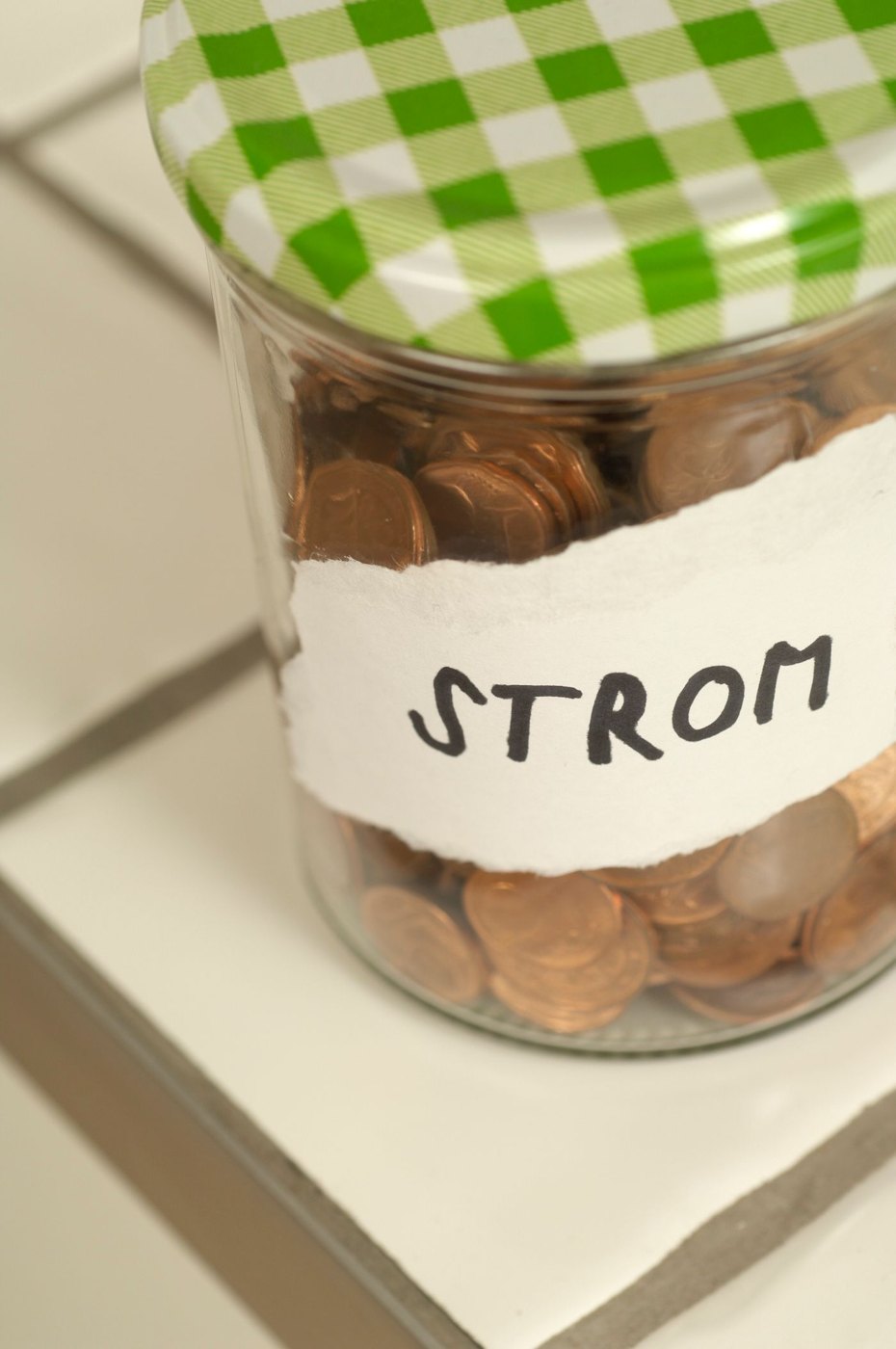
Separate the price of energy or water, the amount used and the way the provider collects payment.
A small project needs a clear boundary between its activity and the household money available to spend.
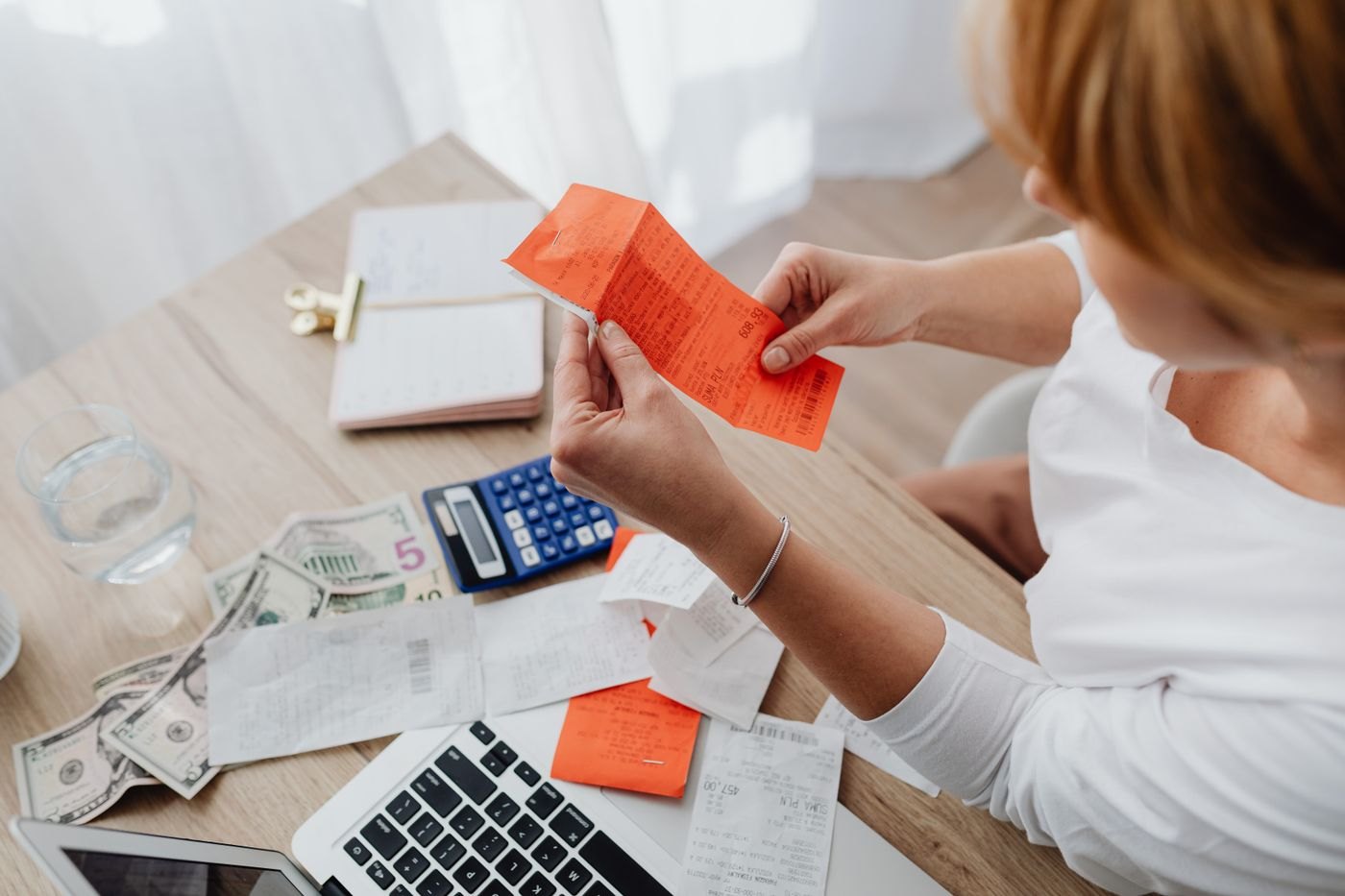
Match a returned payment to the original purchase and distinguish a refund from a promise of one.

Make a shared money discussion about specific decisions and agreed next steps.

Use ranges and decision dates when a precise bill has not arrived yet.

Test the completeness of the inputs as well as whether the formulas add correctly.

Set an allowance after commitments are visible, then decide how unused amounts will behave.

Carry forward the information that remains useful and close the items that are genuinely finished.