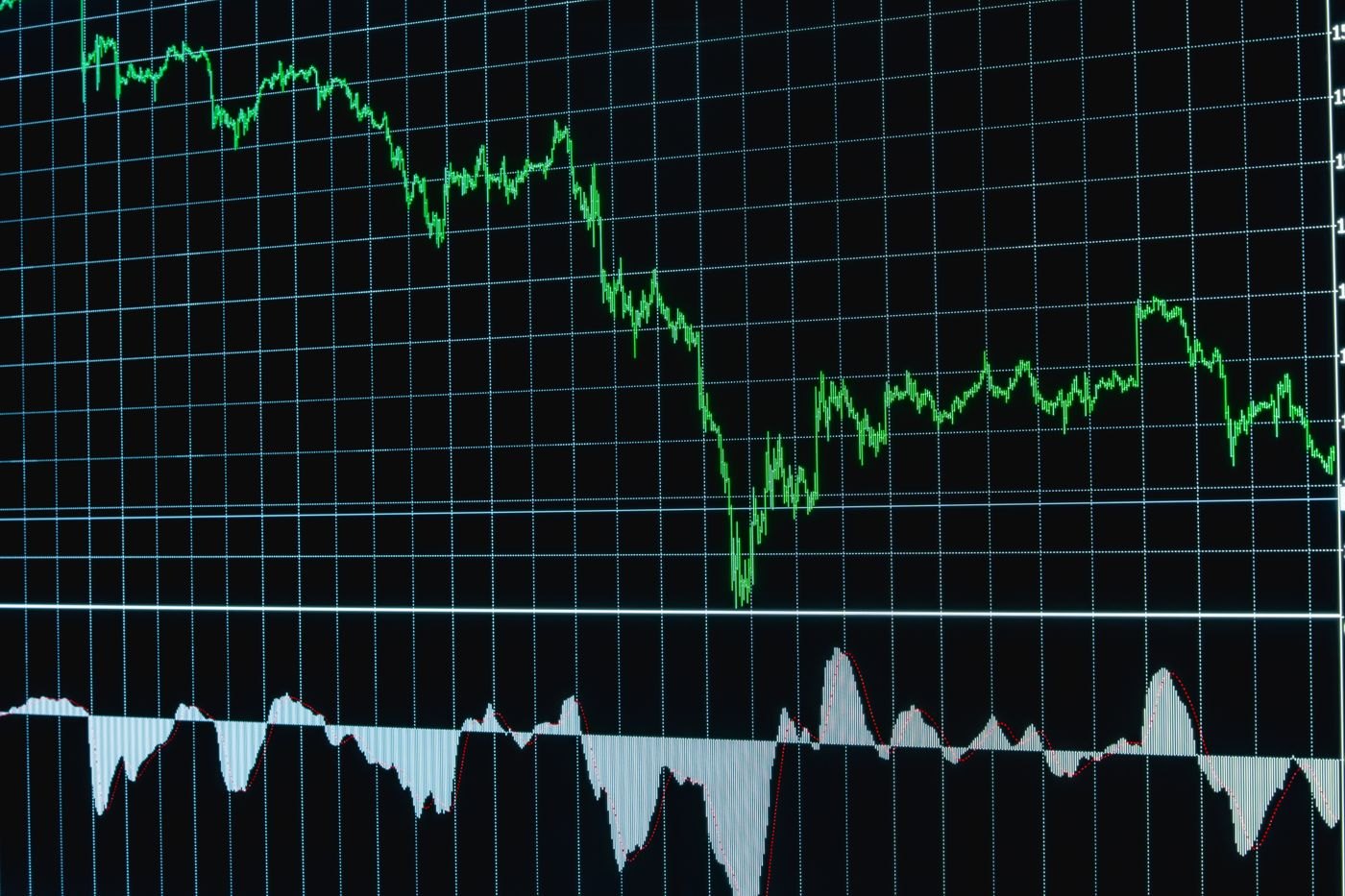
A changing price is observable; recovery is uncertain
Volatility describes variation in prices over a period. A holding that moves sharply up and down is more volatile over that interval than one with a narrow range. The observation does not tell us whether a particular decline will recover, or how long recovery might take.
Permanent loss can arise when an investment's economic value is impaired, such as when a business fails and shareholders recover little or nothing. It can also become a practical household problem when a loss must be realised to meet an unavoidable payment. Waiting is not always available, and waiting alone does not restore value.
Smooth prices can hide other risks
An infrequently traded asset may show few reported price changes because new transactions are rare. That does not prove it could be sold at the displayed value. Similarly, a fixed payment promise may look stable while the issuer's ability to meet it deteriorates.
FINRA describes volatility as one measure of investment risk. The word 'one' matters. Credit quality, concentration, liquidity and product terms can create risks that a short price chart does not capture. A low-looking volatility figure should not end the investigation.
Use a loss scenario without predicting it
Suppose a hypothetical $2,000 holding falls to $1,500. Returning from $1,500 to $2,000 requires a gain of about 33.33%, not 25%. The percentages use different starting values. This arithmetic explains the size of recovery needed; it does not predict that recovery will occur.
Ask what the reduced amount would mean for the goal and whether the underlying reason for owning the investment still holds. Avoid assuming either that every fall is temporary or that every price movement signals permanent damage. Those are different claims requiring evidence about the actual investment.
In a review note, separate observed facts from expectations: current value, change since purchase, known developments, upcoming cash needs and unanswered questions. This produces a more useful discussion than labelling a holding merely volatile or safe. The aim is to understand both the path prices can take and the consequences if the value available is ultimately lower than expected.