Confirm the amount before allocating it
Start with the actual payment, not the figure expected earlier in the month. Check whether the amount differs because of hours, deductions or another known adjustment. Investigate unexplained differences through the appropriate channel rather than building a plan around an assumption.
Look at the account's available money alongside pending payments and amounts already reserved. A large balance on payday can include cash intended for an annual bill or a card settlement. Those assignments do not disappear when new income arrives.
Cover the interval to the next payment
List bills due before the next reliable income date and realistic amounts for food, travel and other necessary purchases. Include payments that are not automated. A direct-debit list alone can miss rent paid manually or cash expenses.
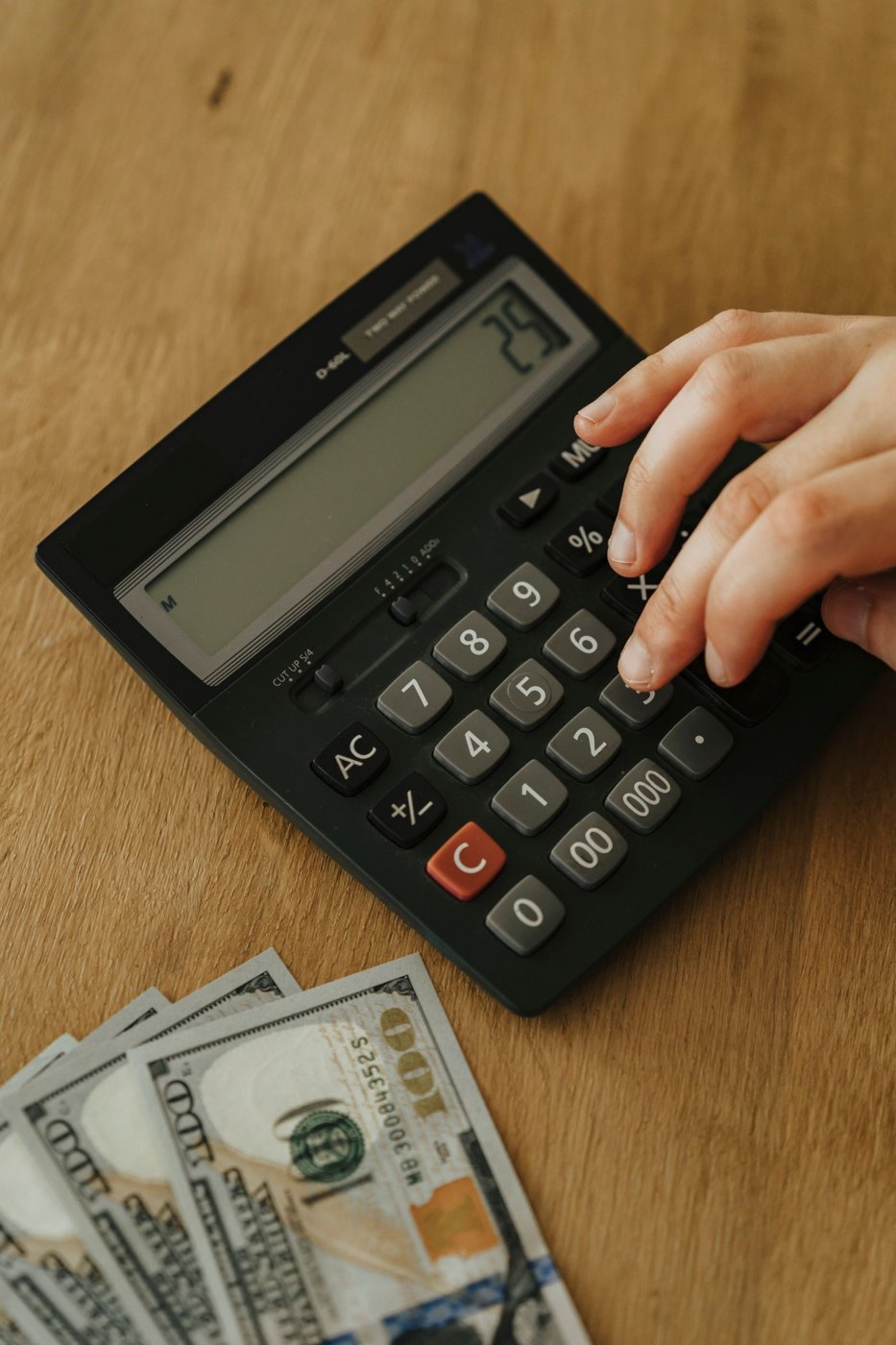
For illustration, a payment of 900 arrives when 100 is already available. Bills before the next payday total 620 and everyday needs are estimated at 220. That leaves 160 of the combined 1,000 before other assignments. If 80 is already reserved for an annual cost, only 80 remains unassigned. The calculation depends on avoiding overlap between the opening balance and reserved amounts.
Check transfers before they run
Review planned savings transfers against the coming interval. Confirm that their dates and amounts still fit. If a transfer is changed, update the savings plan as well as the bank instruction; otherwise the tracker may continue to count money that was never moved.
Then make any deliberate allocation of the unassigned amount. The choice might involve a goal, an upcoming expense or flexible spending. There is no universal split implied by the checklist.
Finish by noting the next review date and any unresolved item, such as an uncertain bill or delayed reimbursement. Keep the routine short enough to repeat. Its purpose is to catch changes between paydays, not to rebuild the entire financial record each time income arrives. A few confirmed numbers and explicit assignments can be more useful than a long checklist that is rarely completed.