Start with the cash that is there
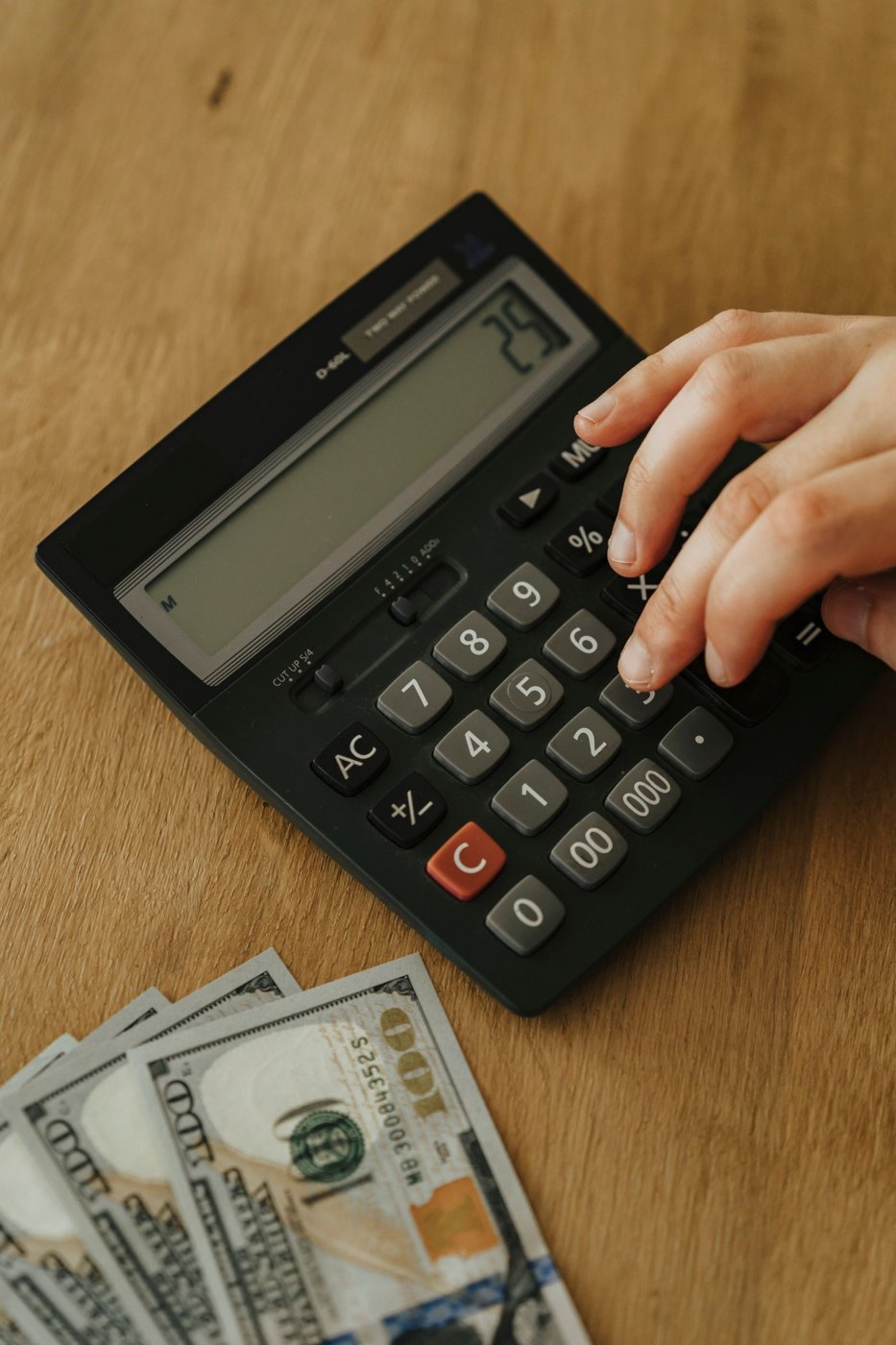
Count the notes and coins in the wallet on a chosen date. That is the opening balance. Add later withdrawals and other cash received, then subtract purchases and cash paid elsewhere. The basic check is opening cash plus cash received minus cash spent equals closing cash.
A hypothetical wallet starts with 18. A withdrawal adds 60, and purchases of 12, 8 and 17 reduce it by 37. The expected remaining cash is 41. If the actual count is 36, there is a difference of 5 to investigate. It is more useful to record that difference honestly than invent a purchase category to make the numbers appear perfect.
Capture enough detail at the right moment
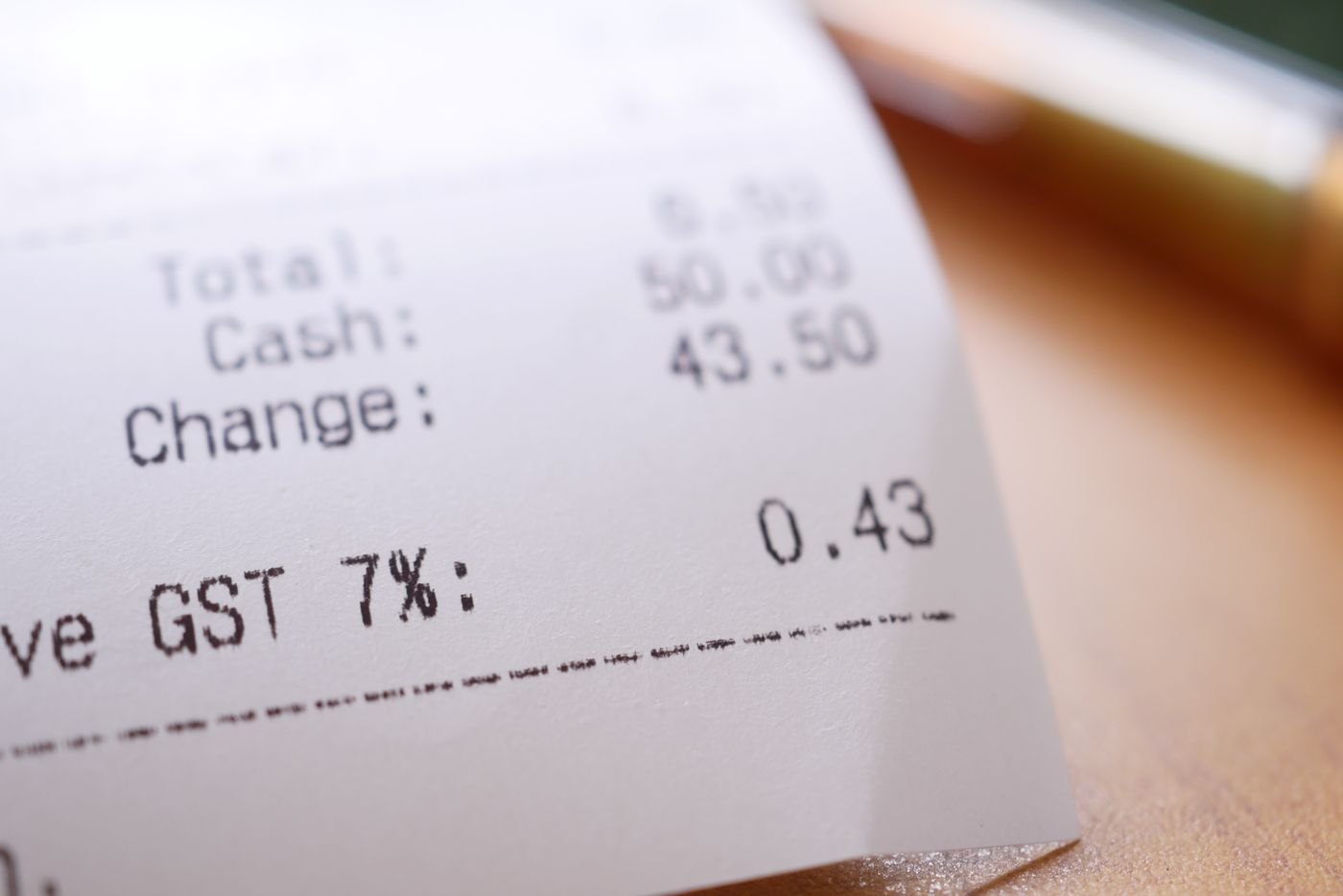
A short phone note, paper slip or receipt envelope can work. Record the amount and purpose soon after buying. The description only needs to support your budget: bus fare, lunch or household item may be sufficient. Avoid storing sensitive card or identity information in a casual note.
If several purchases happen during an outing, total them before the details blur. Keep cash given to another household member separate until its purpose is clear. It may be shared spending, a reimbursement or money that is still held on your behalf.
Reconcile without double-counting
In a combined budget, the ATM withdrawal moves money from the bank into the wallet. It is not another expense on top of the cash purchases. Any withdrawal fee is a separate cost. If the budget previously counted withdrawals as spending, choose a clean start date for the new method so old and new records do not overlap.
Count the wallet periodically and after an unusual cash event. Small unexplained differences can remain in a clearly labelled adjustment category. Repeated differences may indicate forgotten purchases, tips, cash placed somewhere else or an impractical recording routine.
The method should match how much cash you use. Someone making two cash purchases a month may need only a few lines. A household handling cash daily may benefit from a regular reconciliation. The purpose is to make the cash part of the same financial picture, not to create a demanding bookkeeping exercise for its own sake.