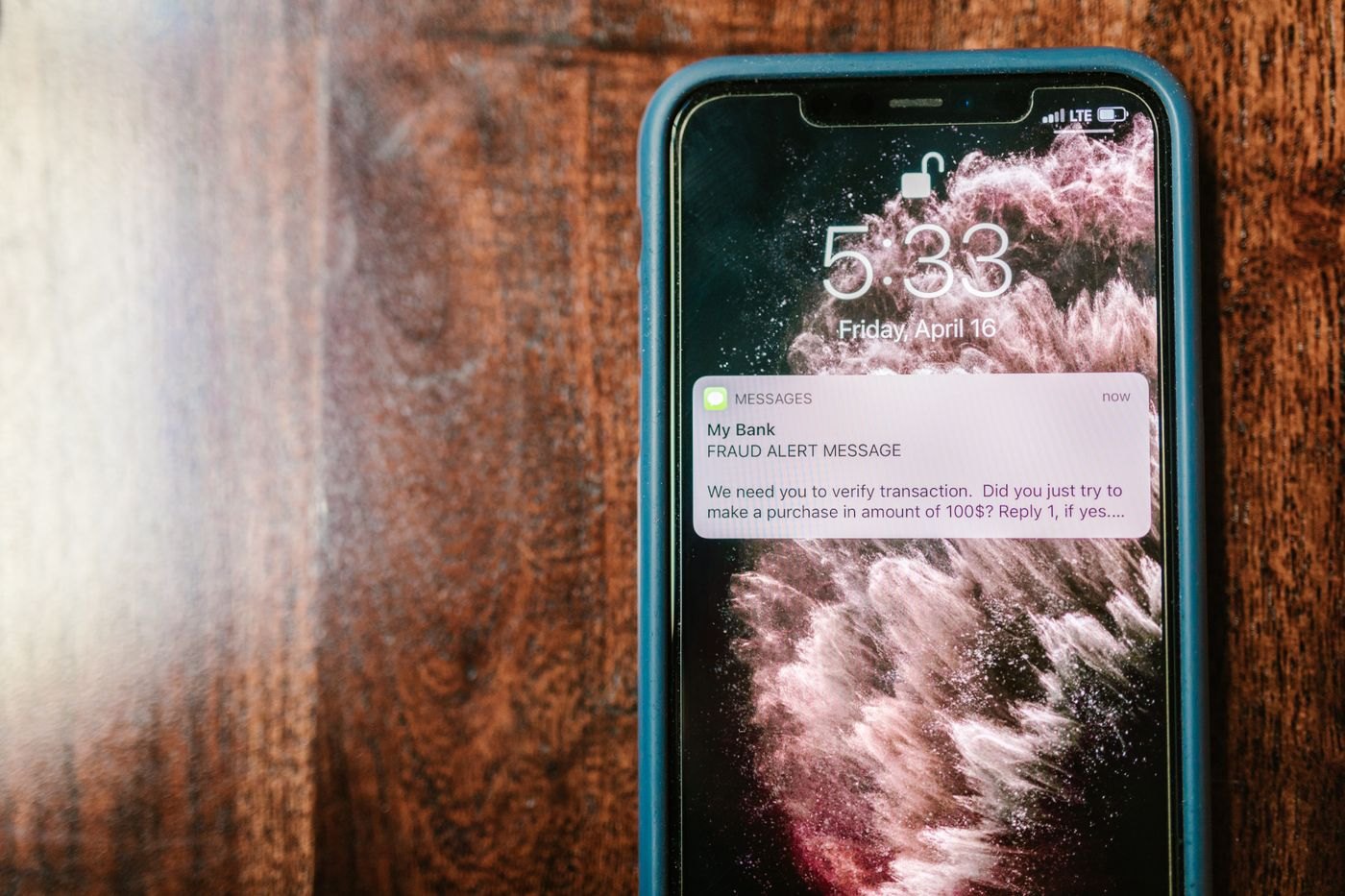
Notice when speed replaces explanation
An offer may insist that a place will disappear, that others are already profiting or that asking questions shows a lack of commitment. These messages shift attention from the investment's mechanics to the fear of missing out. A real deadline does not remove the need to understand what is being bought, who holds the money and what could be lost.
Investor.gov lists pressure to act immediately, promises of high returns with little risk and exaggerated credentials among warning signs of investment fraud. A warning sign does not by itself establish every fact about an offer. It does provide a reason to stop relying on the promoter's presentation and verify independently.
Check identity through a separate route
Find the relevant regulator or official register for the jurisdiction and service involved. Use contact details obtained independently rather than only those supplied in the message. A real firm's name or registration number can be copied into a false communication, so matching a name alone is not enough.
Ask whether the person and firm are authorised for the particular activity being offered where required. Registration is not a guarantee of returns or proof that a particular product suits you. Keep identity, permission, product risk and personal suitability as separate questions instead of allowing one positive answer to stand in for all of them.
Treat social proof as something to investigate
Screenshots of profits, favourable comments and apparent celebrity endorsements are not account verification. They can be incomplete, manipulated or unrelated to the proposed transaction. Even an acquaintance's genuine early payment does not establish how a scheme generates money or whether later withdrawals will work.
Consider the information absent from the pitch. Can the promoter explain the product, fees, withdrawal conditions and risks in writing? Is there an independent source for the claimed arrangement? A request for secrecy or a refusal to provide documents should not be resolved by sending a smaller test amount merely to see what happens.
Stop the transaction path while checking
Do not provide credentials, remote access or additional payments in order to prove you are interested. If you suspect a problem after transferring money or sharing account information, contact the relevant bank or platform promptly through a verified channel and use the appropriate local reporting route. Preserve messages and transaction references.
Be alert to a second approach promising recovery in exchange for an upfront payment. An earlier loss can make another urgent promise especially persuasive. The central habit is to move the decision away from the promoter's clock and toward independent verification, without treating any short checklist as a guarantee that an investment is safe.