Multiply the monthly price first
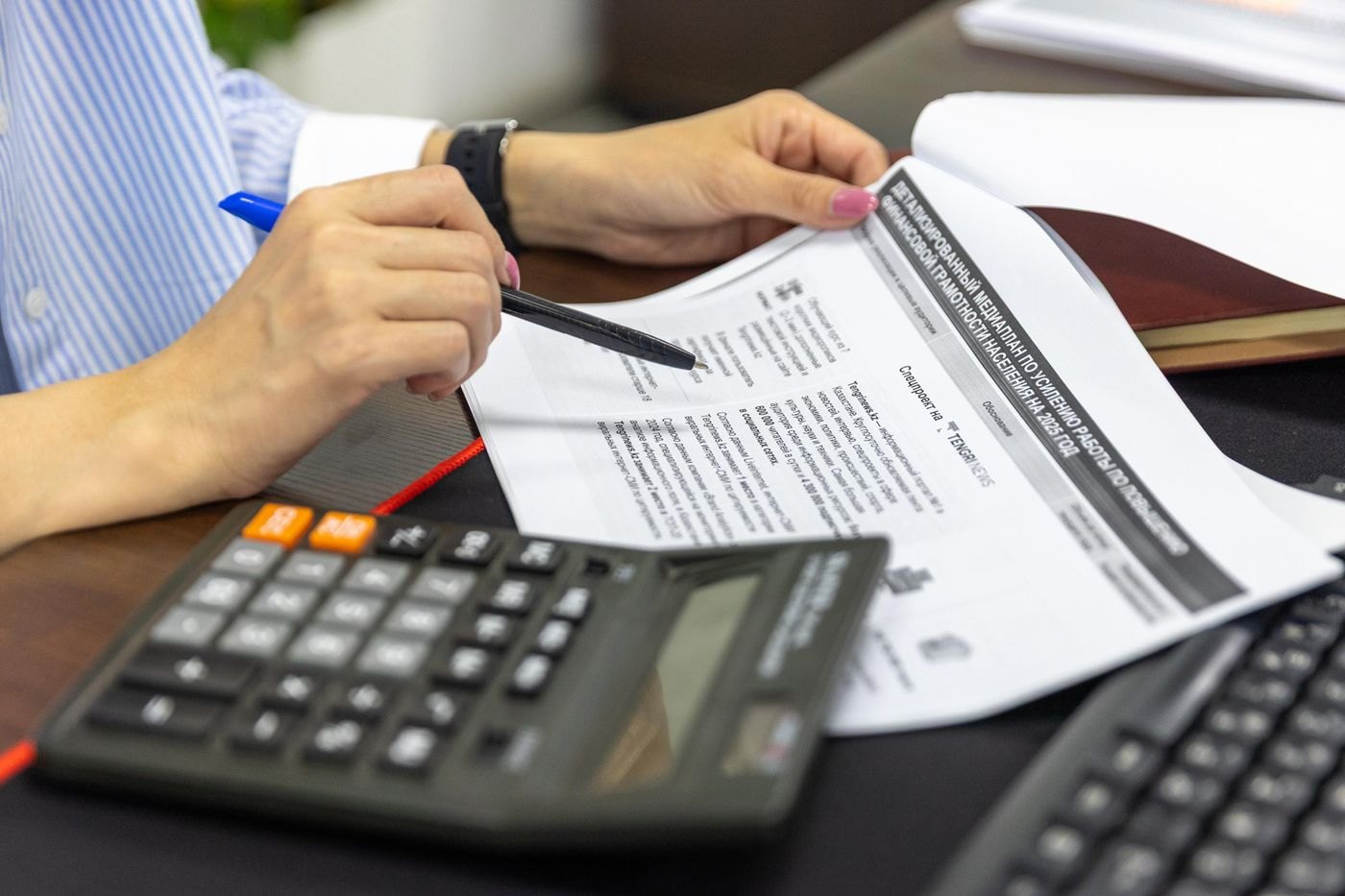
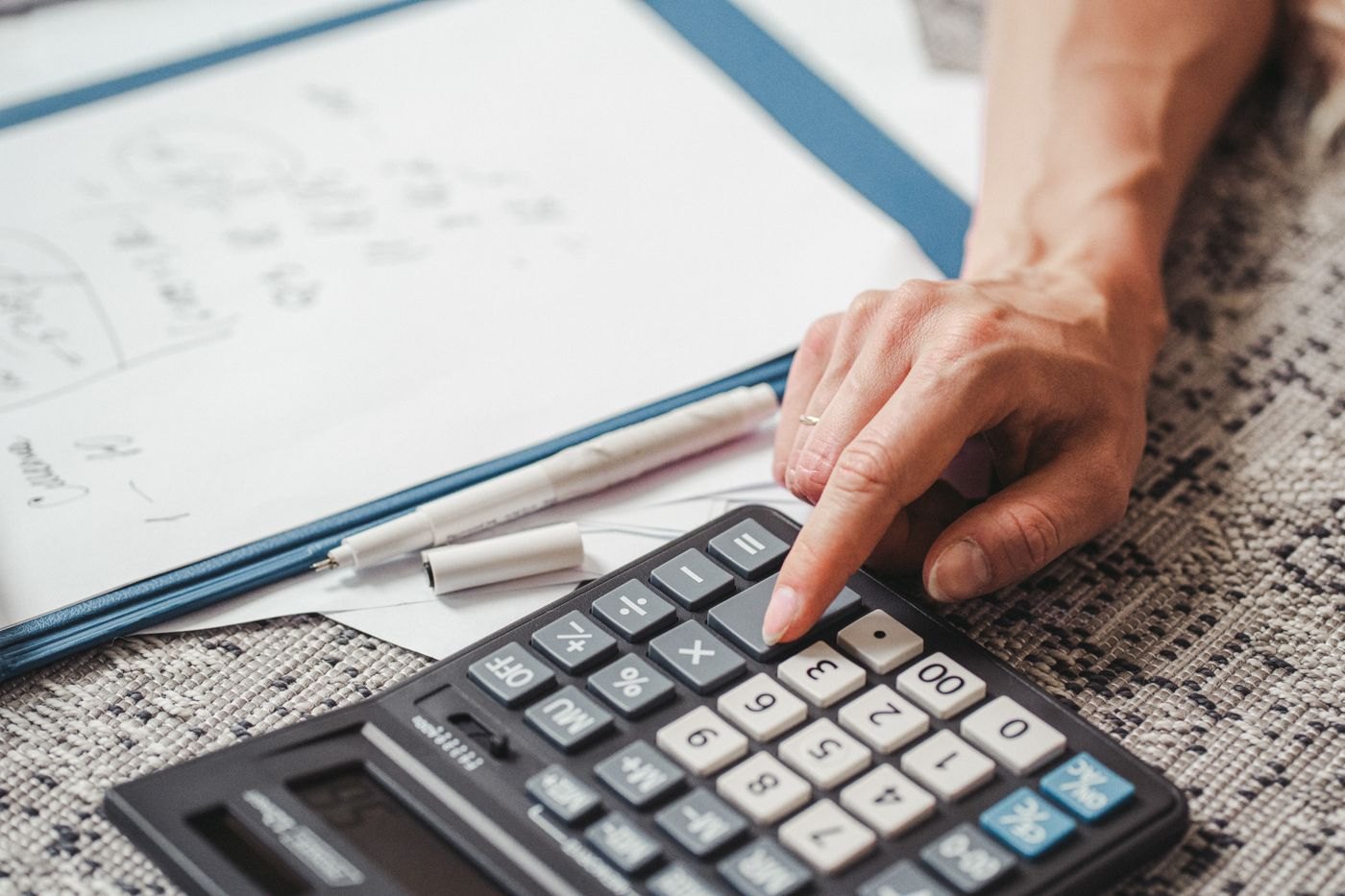
A fictional investment-service subscription of $4 a month costs $48 over twelve months. On a constant $600 account, that equals 8% of the balance. On $6,000, it equals 0.8%. The service price is unchanged; the denominator explains the difference.
These proportions are cost comparisons, not investment returns. They do not include changes in the account's value, product expenses or other charges. A small monthly number should not be assumed insignificant before its annual effect is understood.
Describe what the subscription includes
List the services that would otherwise be charged separately, and distinguish them from features that are merely advertised alongside the subscription. If the price includes a number of trades, check eligible products, unused allowances and what happens above the allowance.
For an invented comparison, suppose a $48 subscription replaces twelve separate $2 charges. The avoided charges total $24, leaving an additional $24 of subscription cost before valuing any other included features. Calling all the trades free would conceal the payment required to access them.
Account for how long the service will be used
An annual payment can differ from twelve cancellable monthly payments. Check cancellation timing, renewal conditions and whether an unused period is refundable. If use is expected for only four months, compare the actual four-month commitment rather than automatically choosing the lower advertised annual equivalent.
A promotional free period also needs a later-period calculation. Note when the price changes and whether action is required to cancel. Set the review date before renewal if the service is being tried for a limited purpose.
The decision is not solved by the percentage alone. A feature may be useful, but its value should be described in concrete terms rather than assumed because it appears in a paid tier. Keep the account-size scenarios, actual usage and commitment period together. That record shows whether the fixed cost fits the intended use and makes it easier to reassess when the balance or activity changes.